Making Sugar (part 2)

In Part 1, we got the cane from the field, unloaded it at the mill, chopped up, and now… into the mill it goes.
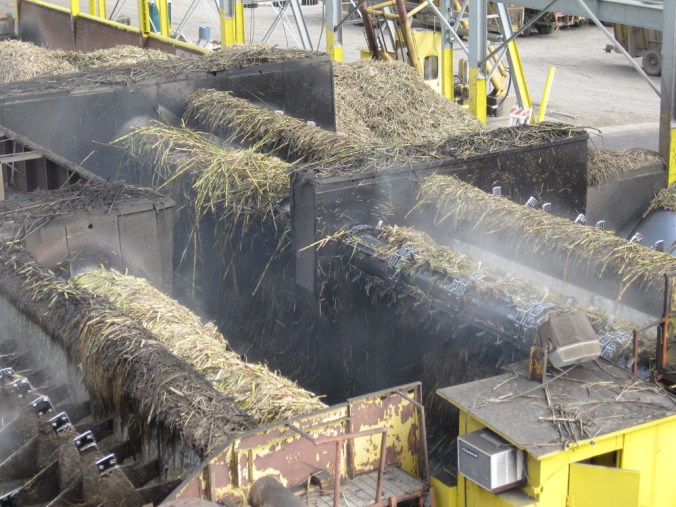
a-crushed-outside

Cane is crushed before it even enters the mill.

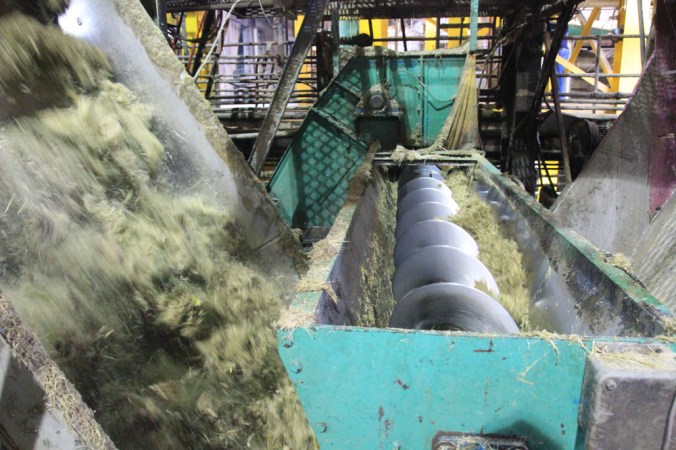
The cane is pretty much pulverized along the way, and the juice extracted.  In another part of the cane mill complex, a core laboratory is analyzing samples from each load of cane to determine sucrose, moisture and other factors which indicate the sugar yield from each truckload.  The cane is pulverized through the mill – usually involving a series of rollers – and the juice is extracted.  The remaining pulp is called bagasse, and is usually incinerated to fuel the running of the mill.  There’s an awful lot of bagasse, though, and the sugar content means it will ferment quickly – there’s that stench a lot of people complain about.

a-bagasse

Ground cane being processed

a-grinding

Ground cane being processed (more!)

The juice itself is like any other raw juice – a thin liquid, and frankly, not exactly clean.  It’s cleaned up with slaked lime, and the dirt settles out and is usually returned to the fields.  The juice heads off to evaporators so that it can be boiled down.
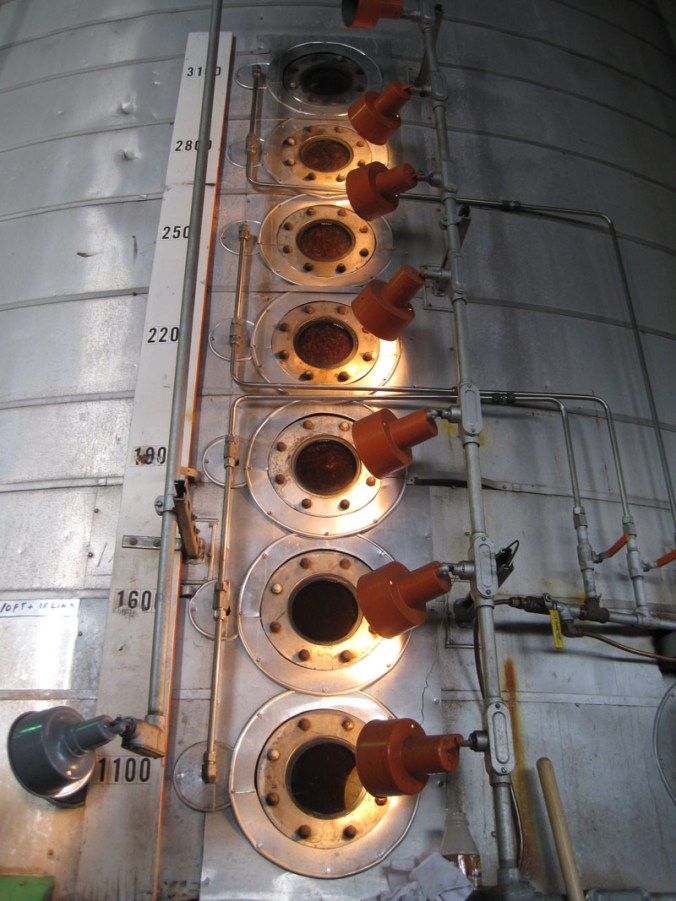
a-boiler

Bubble, bubble, boiling sweetness!

If by now you have the idea that a sugar cane factory is a large, hot place with a lot of very massive machinery…you’re right.  Most of the “smoke” people see billowing out of the plant is steam, and both air and water exhaust is monitored and must meet environmental regulations.

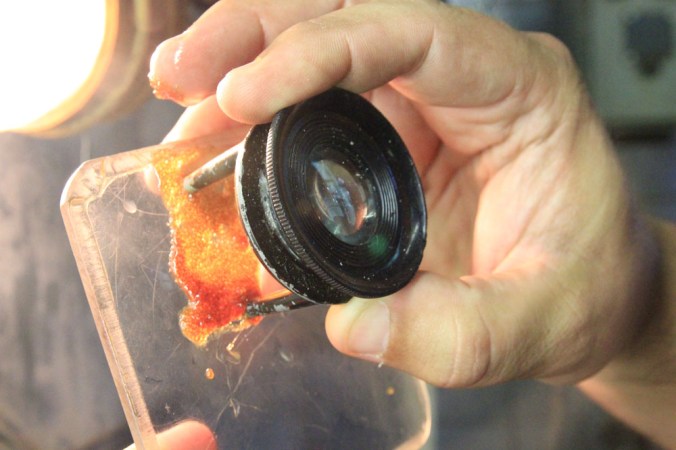
Making sugar is an art as well as a science.  It’s one thing to boil the juice down into syrup; it’s something else to coax it into crystalization. It’s a tricky process.
a-checking

Checking crystals

Once the magic of crystalization happens, the syrup heads to centrifuges where the crystals are separated from the liquid.  Voila! Raw sugar, which is dried and sent to a warehouse.

a-centrifuge

Taking a quick sample from a centrifuge.

Louisiana is home to 11 sugar factories which produce raw sugar, which is sent to refineries that will produce refined sugar and similar products.  Because of the sugar content of the cane, it must be processed quickly after it is cut.  The raw sugar is usually stored in warehouses until it can be shipped to a refinery.

a-warehouse

Cane goes from the mill to a warehouse on a conveyor belt. It pours into a mountain of sugar.

a-truckload

At the warehouse, the sugar is transferred to dump trucks, which take it to barges, which will take the raw sugar to a refinery.

I often wonder who figured out that the tall, thick cane held this amazing sweet stuff in it.  Since cane was introduced into Louisiana, I don’t think it was the same brave soul who looked at a crawfish and said “I wonder how that tastes?”

So when you sit down to enjoy something sweet this Christmas or Hanukkah, take a moment to think of all those who had a hand in your holiday baking. Chances are many of those folks are at work on Christmas day, because grinding doesn’t stop until all the cane is done. Think about all of those who’ve had a hand in your entire holiday meal, no matter how extravagant or simple, and say a prayer of thanksgiving.

Now I’m going to post this and bake some Christmas cookies with – yep, you guessed it – home-grown Louisiana raw sugar.

Note – all photos © B. D. Lowry; all rights reserved.  Please contact me for use.
Stay grateful, my friends.

Here it is, Thanksgiving Eve, and I’d like to say that I’ve written an insightful, well-thought-out, finely-crafted post on gratitude.

However… an outdoor fire and a margarita called my name. I’m weak, human, and subject to temptation. Instead of writing, I sat around said fire with the margarita, family and friends, and a Sonic hamburger (and mosquitoes).

We’ve much to be grateful for in the simple things.  So instead of writing, I thought I’d just share some photos of just a few of the many everyday things I’m grateful for.

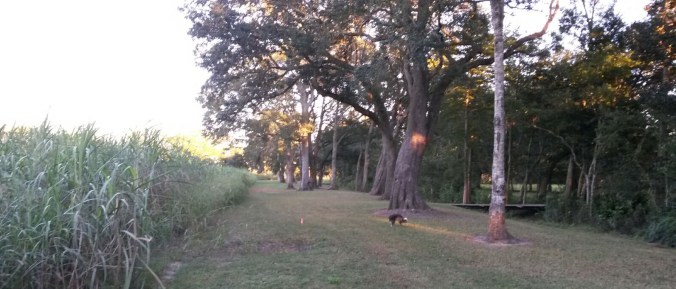
canal

An evening walk with my dog.

2016-flood-la

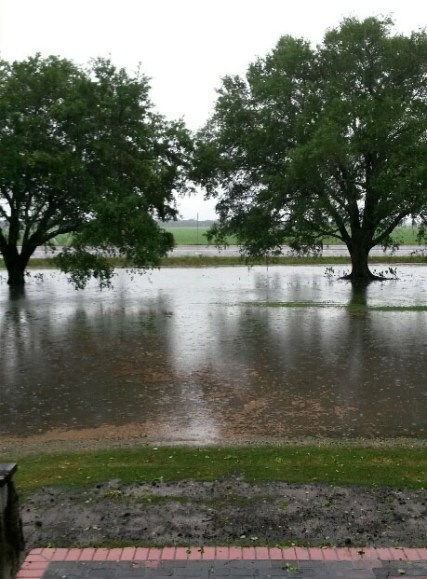
The August flooding didn’t get bad at all here.

planting-cane

Planting cane.

turtle

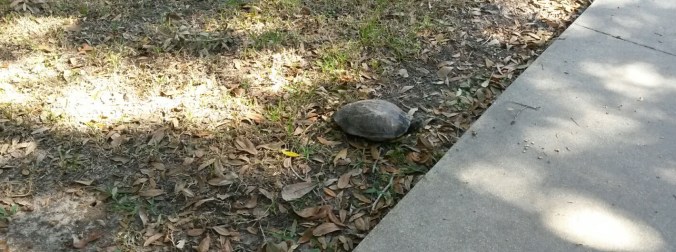
This little guy by my office. Fortunately, he’s not far from home.

avery-island-birds

Bird sanctuary at Avery Island, Louisiana.  Yep, I’m 15 minutes away from where they make Tabasco.

cane1

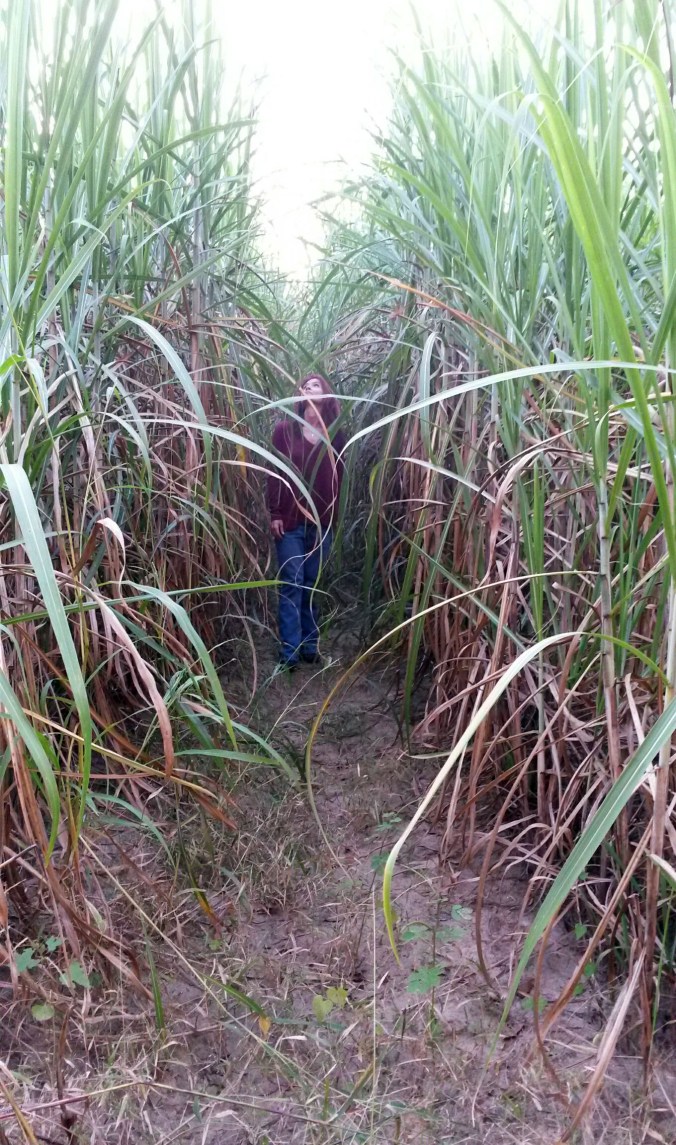
Sugar cane, by home.

hauling-cane1

Harvest time, hauling cane to the mill.

ribbit

This little fella by my kitchen door. He sings, too.

pecan-island

A route in Pecan Island, Louisiana.

stormy-weather

Rain for the cane. (Sugar cane fields)

sunset-1

Sunset seen from my front porch.

morning-walk-in-south-la

The view on my morning walk to work.

Life is filled with challenges, trials, fearful things, obstacles and broken dreams.  There will always be an unsoothed ache, a hidden hurt, a lost chance.

Thankfully, there will also be more beauty, chances, hope and love in life, in plain sight, waiting for us to grab it, share it, celebrate it.  The choice of where to look is up to us, and I prefer to see the beauty and hope in the world.

Stay grateful, my friends.

Thank it forward.

A friend asked me today how I can make a prayer shawl and not be too concerned about whether or not I ever receive feedback from the recipient.  Her question made me think.

There’s a certain amount of detachment, once the shawl is finished and given.  But there cannot be detachment during the making.  Be a channel, I thought.  All creativity comes from God, I’m just the hands that make the shawl and the human being that prays, however imperfectly, for the recipient.  Couple that with a thick-skinned attitude gained from years of performing with a blues band, and I suppose you have a working definition of being detached from the responses to your creative offerings.  (“You’re awesome!” “You suck!” all in the course of an evening, and maybe it’s alcohol talking. Then again, maybe I am awesome! Um, and maybe I do really suck.)

thistookforever Maybe one of these cool labels from www.sublimestitching.com would be a hint!

When it comes to our creative gifts, we can’t be completely detached, and I find myself mulling over the question this afternoon as I sweep floors and do laundry.  God has such a sense of humor.

I cannot detach as I make a shawl for someone who is in pain.  Right now I’m  working on one for a woman who suddenly lost her 28 year old daughter.  She is struggling with a pain and loss that I cannot understand, and yet I grieve and pray with her in spirit, and those prayers are woven into stitches.  I cannot detach from songs I love to sing, and especially cannot detach from sacred music. What gives me courage to sing is to remind myself that I am doing the best I can with what I am given, and the rest is up to God.

I believe it’s that way with any creative endeavor, and especially with those where there is a recipient involved.  So much of it is up to God, to the Divine Creative. Whether writing, cooking, making a shawl, making music, building or crafting something of wood…we pour an extra measure of love and heart into it. We share our soul with the recipient, whether we know them or not. We are open and vulnerable as we create, but must have a bit of a thick skin when it comes to the reception of our work – a thick skin or a constant reminding that it’s all from God.  It’s a crazy balancing act, and one that I’ve never quite gotten the hang of, either.

Sometimes I love to give anonymously because I know I’m NOT going to be thanked. I can remain unknown, and imagine someone else’s surprise.  No one feels obligated to reciprocate, say thank you, or anything. I love to think that I made a difference, even if a tiny one. When something is given anonymously, thanks can be given to God, and the recipient will “pay it forward” sometimes.  That starts such a ripple of blessings, and it’s good for me in that I cannot expect thanks.  I find that I feel blessed, and that’s thanks enough.

over the teche 2 Sometimes I do get attached to shawls.

And yeah, sometimes I want to hear “thank you.” Hey, I’m human, and I don’t think there’s anything wrong with wanting some sort of thanks or an occasional accolade.  I guess the question is, do we want to be thanked, or do we need to be thanked?  It would be pretty cold to not care at all.

We take thanks where we get them,  knowing that for everyone who says “thank you,” there are others who cannot do so. Sometimes there are no words; sometimes there is no opportunity.  To find myself wanting thanks is also a lesson that I can be grateful for.  If thanks doesn’t come, well, that’s not about me or my gift.  We can only be the channel, the conduit, for something that must be expressed, made, created, given.  Once the shawl is given, once the song is sung, once the meal is served – it’s out of our hands. Our humanness may be saddened (and that’s OK), when our efforts aren’t acknowledged. I can still be thankful that I have gifts and abilities to share. We can only learn from that twinge of “gee, did they like it?” and then let it go.  Let it leave our hands as did the shawl, knowing that the prayer and the spirit will continue to lift us – and who knows who else.